
 AI-generated illustration
Meet search intention correctly: why many pages do not rank despite optimizationSearch intention often decides earlier than many classic SEO subtleties
Search intention describes the task behind a request. It cannot be determined solely from a keyword label; current types of results and the actual decision of the searchers help with the classification.
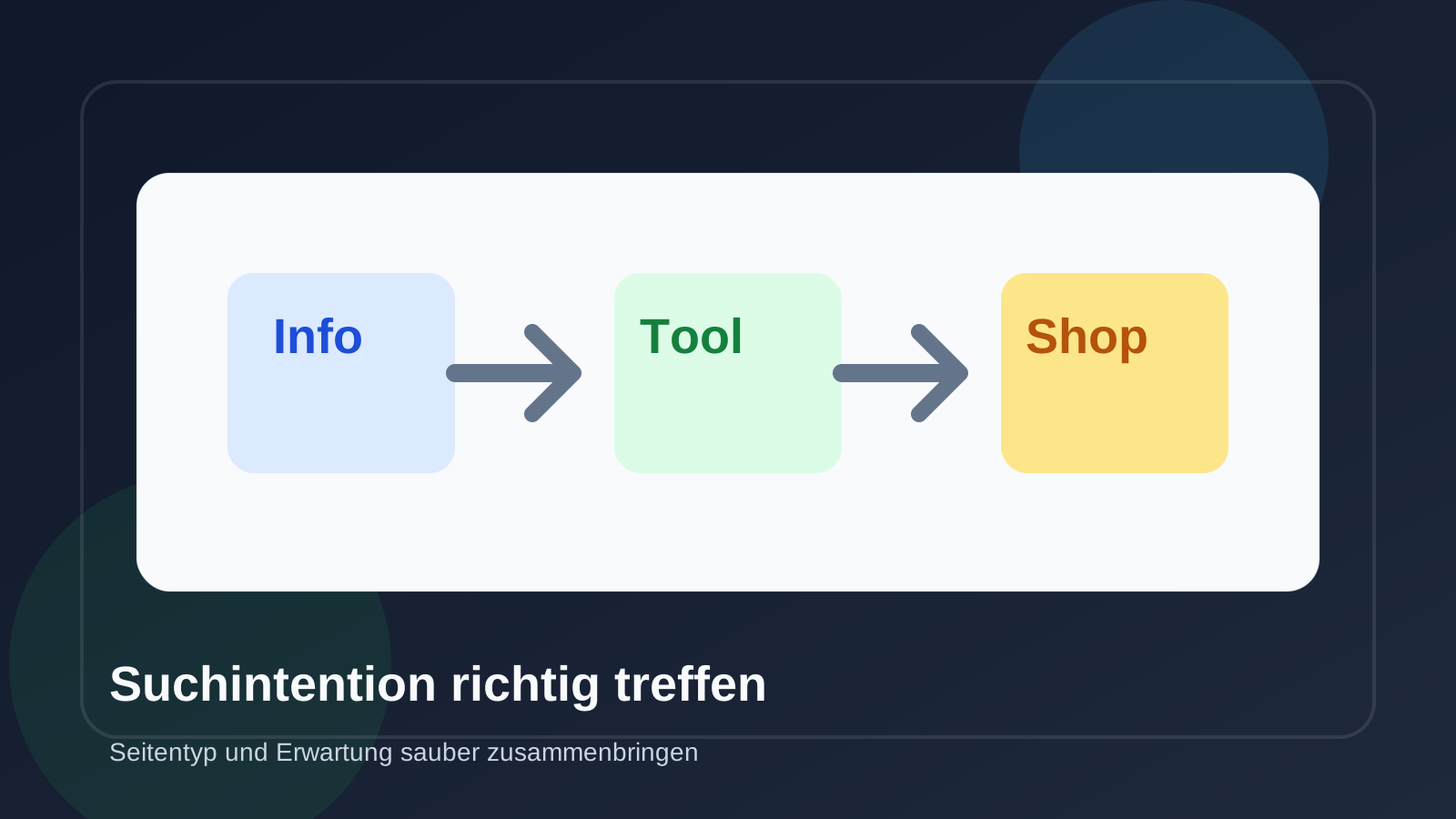
Check whether the page informs, compares, explains a specific performance or provides a function. The format must fit the expected task.
Same terms, different tasks
“Adjust bicycle brake” indicates a manual, “Bicycle repair Cologne” indicates a local service and “buy brake linings” indicates product selection. All involve brakes, but require different information and actions.
Several tasks can also occur within a request. Document which types of results appear and which questions your page answers specifically, instead of pressing every conceivable intention into a single text.
Reading a search results page as a work aid
- Write down the specific request with device and time.
- Order organic hits by page type and recognizable user task.
- Recurring questions, comparison criteria or functions.
- Focus your own side on a comprehensible main task.
- Complete your own helpful examples instead of just replicating the competition structure.
Assign existing pages sensibly
If a suitable guide is already available, first check its response quality. A new URL makes more sense if a different task really arises, such as an interactive check instead of an explanation.
Link the next appropriate task in context: from the instructions for the necessary individual examination or from a problem description to the actual service. An immediate request for purchase does not fit every early search for information.
The classification remains verifiable
Search results are changing. A mixture once observed is not a permanent guarantee. Use your own Search Console requests and actual queries to see if visitors are using the page as they thought.
A high bounce rate or short visit duration cannot prove without context that the intention was missed. A short precise answer can already completely solve the task.
Frequent questions
Can a page serve multiple search intentions?
Yes, if the tasks fit together and are clearly managed. Contradictory main tasks can make separation meaningful.
Should I copy the format of the first hits?
Use the results for classification. Own facts, functions and decision-making aids must nevertheless provide the additional value.