Another 5 Sources of Free Backlinks
Complementary backlink sources with modern classification, quality criteria and practical advice.
Improve SEO, technology and performance – with practical instructions and concrete recommendations for your website.
The SEO Wiki is intended for quick reference: short, precise and conceptually oriented. The SEO guides on this page go one step further: They arrange topics, show connections, evaluate best practices and help with decisions in practice.
For classification, implementation, strategy and case studies.
Typical question: “How and when do I use X meaningfully?”
Particularly popular, often linked and ideal as a starting point for practical SEO topics.
Complementary backlink sources with modern classification, quality criteria and practical advice.
Measures that strengthen authority – today as an interplay of brand, destination and relationships.
Contemporary SEO leverage from search intentions to core web vitals – prioritized and directly implementable.
Evergreen guides, strategies, case studies and separately identified archival contributions from the previous knowledge base.
AI-generated illustration
Measuring AI Visibility: How to meaningfully connect AI Overviews, ChatGPT mentions, classic rankings, source analysis and content prioritization.
AI-generated illustration
Google AI Overviews and SEO: How to Prepare Content Source-Powered, User-Oriented, and Technically Clean Without Slipping Into AI SEO Myths
AI-generated illustration
llms.txt for SEO: What the file can do, where the limits are and how to connect it to robots.txt, sitemap, content hubs and monitoring.
AI-generated illustration
Use zero-click SEO strategically: When click losses are real, which visibility still counts and how content increases requests, trust and brand.
AI-generated illustration
Entity SEO for companies: How brand, people, services, content, structured data and external signals together result in a clear search profile.
AI-generated illustration
Planning content hubs for SEO: topic architecture, Pillar pages, internal links, search intentions, updates and success measurement explained in a practical manner.
AI-generated illustration
Build Topical Authority in SEO: Strategically connect topic coverage, search intention, internal linking, expert signals and content maintenance.
AI-generated illustration
E-E-A-T for companies: how experience, expertise, authority and trust become visible - with authors, sources, processes and clear page structures.
AI-generated illustration
Helpful content according to Google logic: search intention, own experience, clear structure, up-to-date and measurable user tasks instead of keyword theater.
AI-generated illustration
Detect and fix content decay in SEO: Search console signals, ranking losses, outdated content, refresh priorities, and internal links.
AI-generated illustration
Cluster search console queries: derive search intentions, page roles, CTR issues, content gaps, and priorities from real Google data.
AI-generated illustration
Logfile analysis for SEO: correctly evaluate Googlebot accesses, status codes, crawl budget, JavaScript resources, sitemaps and technical errors.
AI-generated illustration
Optimize crawl budget for large websites: use parameters, filters, internal links, status codes, sitemaps and logfiles correctly.
AI-generated illustration
Check JavaScript rendering and SEO: HTML content, internal links, hydration, core web vitals, structured data and crawl traps.
AI-generated illustration
Use Hreflang correctly in international SEO: language variants, x-default, canonicals, sitemaps, local signals and monitoring.
AI-generated illustration
Scale local landing pages for SEO: search intention, location signals, content, internal links, Google company profile and quality.
AI-generated illustration
Handle product variants SEO-safely: correctly control colors, sizes, parameters, canonicals, structured data, internal links and shop filters.
AI-generated illustration
Optimize shop category pages for SEO: use search intentions, filters, internal links, texts, product data, sorting and indexing correctly.
AI-generated illustration
Create product descriptions with AI for SEO: briefings, data, variants, utility, duplicate content, tone and quality specification.
AI-generated illustration
Connect accessibility and SEO: semantics, alt texts, keyboard operation, contrasts, forms, structure and user-friendliness practical.
AI-generated illustration
INP optimize for Core Web Vitals: Approach interactions, JavaScript, main thread, event handlers, field data and prioritization.
AI-generated illustration
Prioritize SEO monitoring alerts: meaningfully evaluate indexing, status codes, rankings, content changes, core web vitals and business impact.
AI-generated illustration
Relaunch monitoring for SEO: check redirects, indexing, canonicals, rankings, search console, logs, core web vitals and content changes.
AI-generated illustration
Create a redirect map for SEO: URL inventory, destination assignment, 301 rules, avoid chains, tests and monitoring before relaunch or migration.
AI-generated illustration
Content Pruning for SEO: Evaluate, update, merge, forward or remove old content – with data, risks and monitoring.
When noindex, robots.txt, canonical or redirect is the right choice: avoid typical SEO errors and control indexing cleanly.
Recognize and cleanly solve duplicate content: from parameters and filters to canonical, redirect and internal linking.
Strategically use internal links: better orientation for users, clearer priorities for Google and more visibility for important pages.
The most important SEO measures for small websites: prioritized, understandable and directly implementable – without unnecessary complexity.
How to write strong page titles and meta descriptions: precise, relevant and click-strong – without old SEO myths.
JavaScript SEO understandably explained: rendering, links, content, navigation and typical errors in modern websites.
Use XML sitemaps correctly: What they do, what they don’t do – and how to avoid typical sitemap errors.
What LCP, CLS and INP really mean, the causes behind them and how to meaningfully improve Core Web Vitals.
Schema.org and structured data are practically explained: for which types of pages they make sense and where they hardly bring any added value.
Implement filters, facets and parameter pages SEO-safe: fewer crawl traps, fewer duplicates, better control.
When 404, 410 or Redirect is the right choice: treat deleted pages cleanly and avoid typical SEO errors.
This is how a website relaunch succeeds without ranking losses: checklist for redirects, indexing, testing and clean go-live.
Not every SEO problem is equally important: This is how you prioritize an SEO audit according to impact, risk and feasibility.
When content is too thin, interchangeable or unhelpful – and how to improve it in a meaningful way instead of just extending it.
Category pages become strong SEO entry-level pages: with clear structure, matching text, internal links and search intention.
Build landing pages so that they rank and convert: meaningfully connect search intention, trust, structure and action.
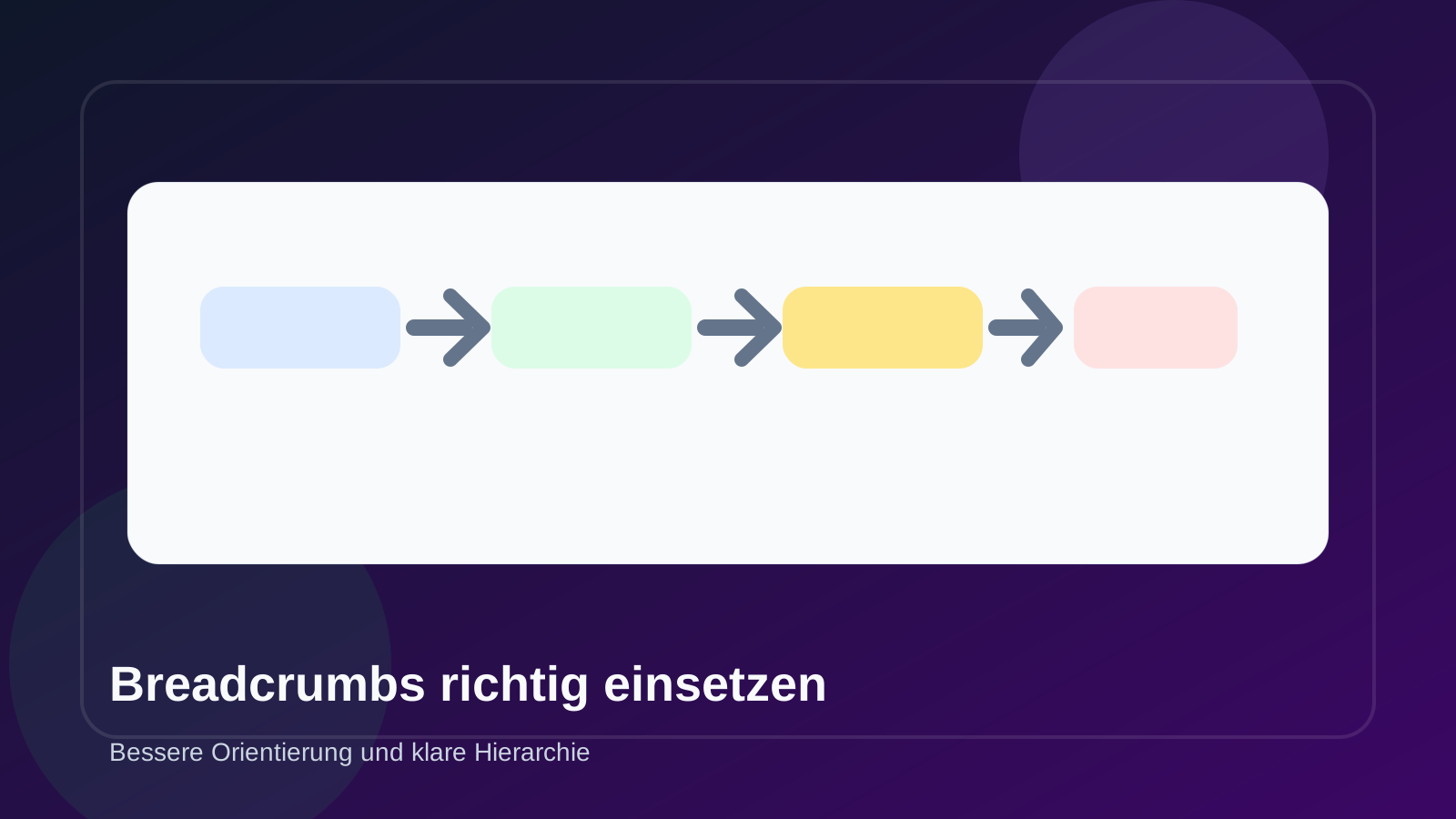
Use breadcrumbs wisely: better orientation, clearer hierarchies and clean internal linking for users and search engines.
How headings really help: better readability, clearer page structure, and more meaningful SEO signals instead of old myths.

How image galleries, portfolios and visual content become SEO-ready: structure, context, alt texts and indexable pages.
Local SEO explained clearly: location signals, regional visibility and the transition to the local SEO checklist in the audit.
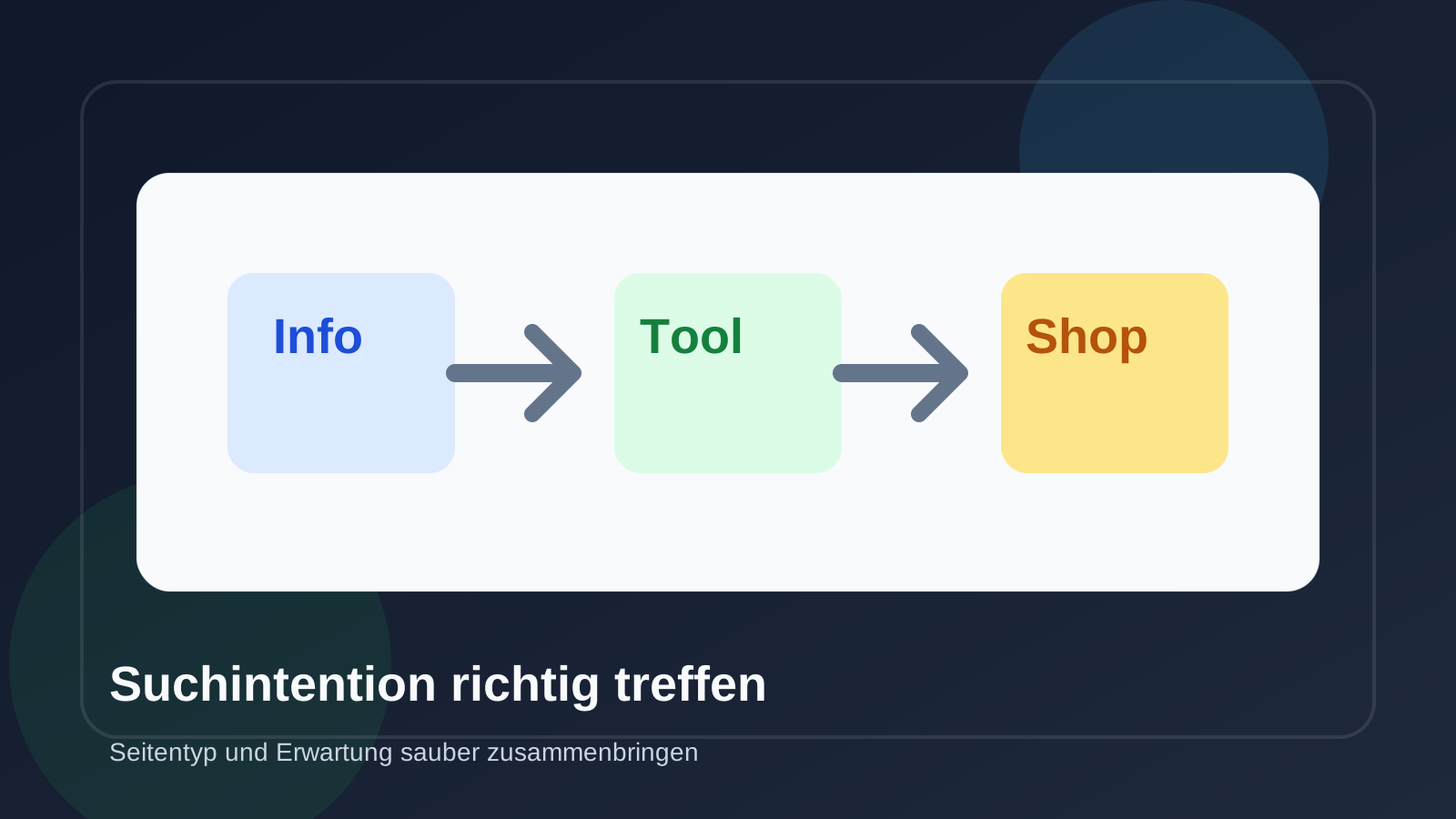
Many pages seem optimized and still do not rank: it is often due to a wrong search intention.
This creates SEO texts that are readable, useful and search-strong – without keyword stuffing and without old SEO phrases.
When a content refresh makes sense, when a new article would be better and how existing content is strategically maintained.
Implement Pagination technically and SEO-side clean: for categories, archives and long lists with many entries.
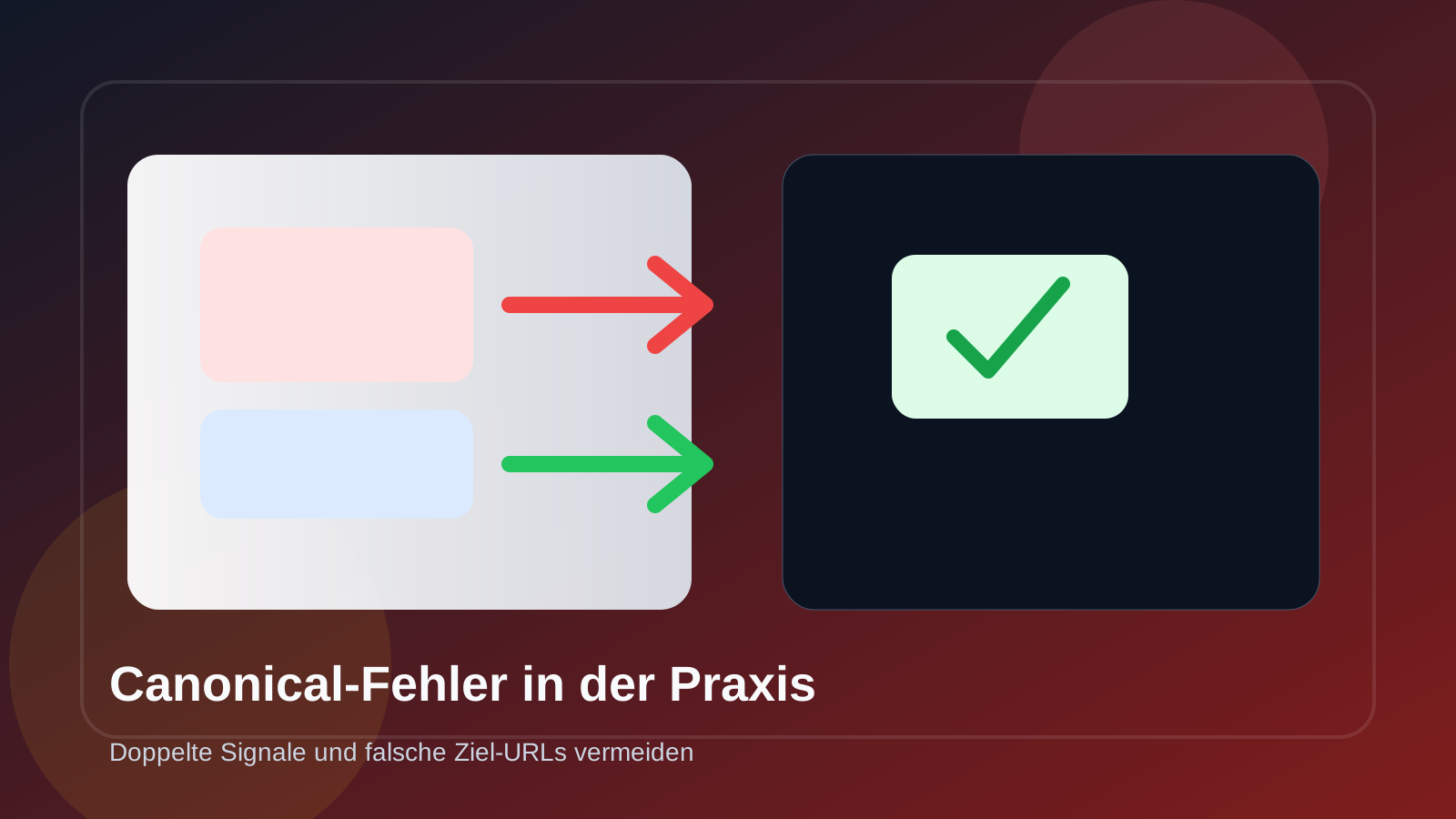
The most common canonical errors in real projects – and how to avoid false signals, duplicates and unwanted target URLs.
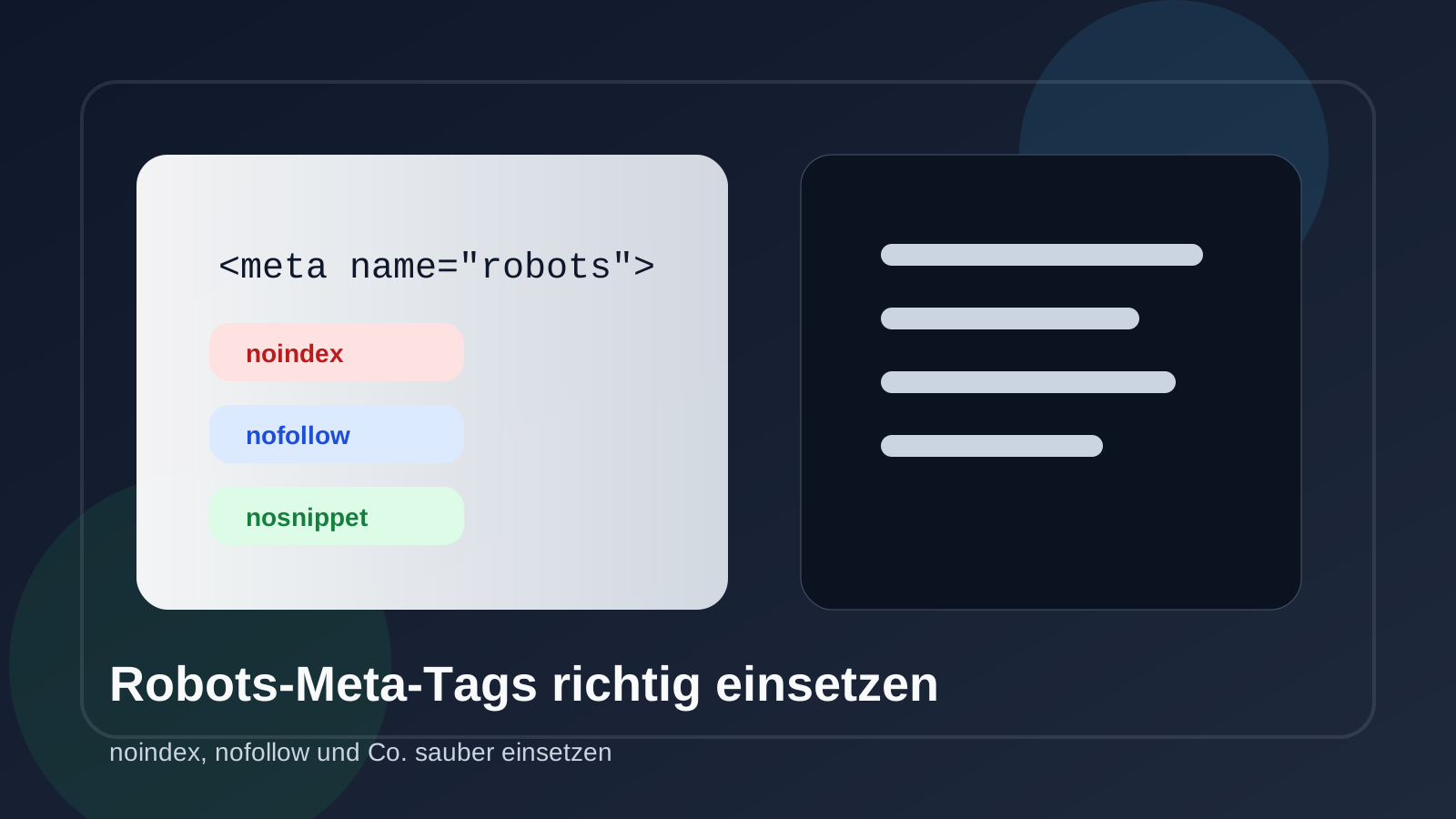
Robots meta tags explained clearly: use noindex, nofollow, nosnippet and other directives correctly and delineate them cleanly.
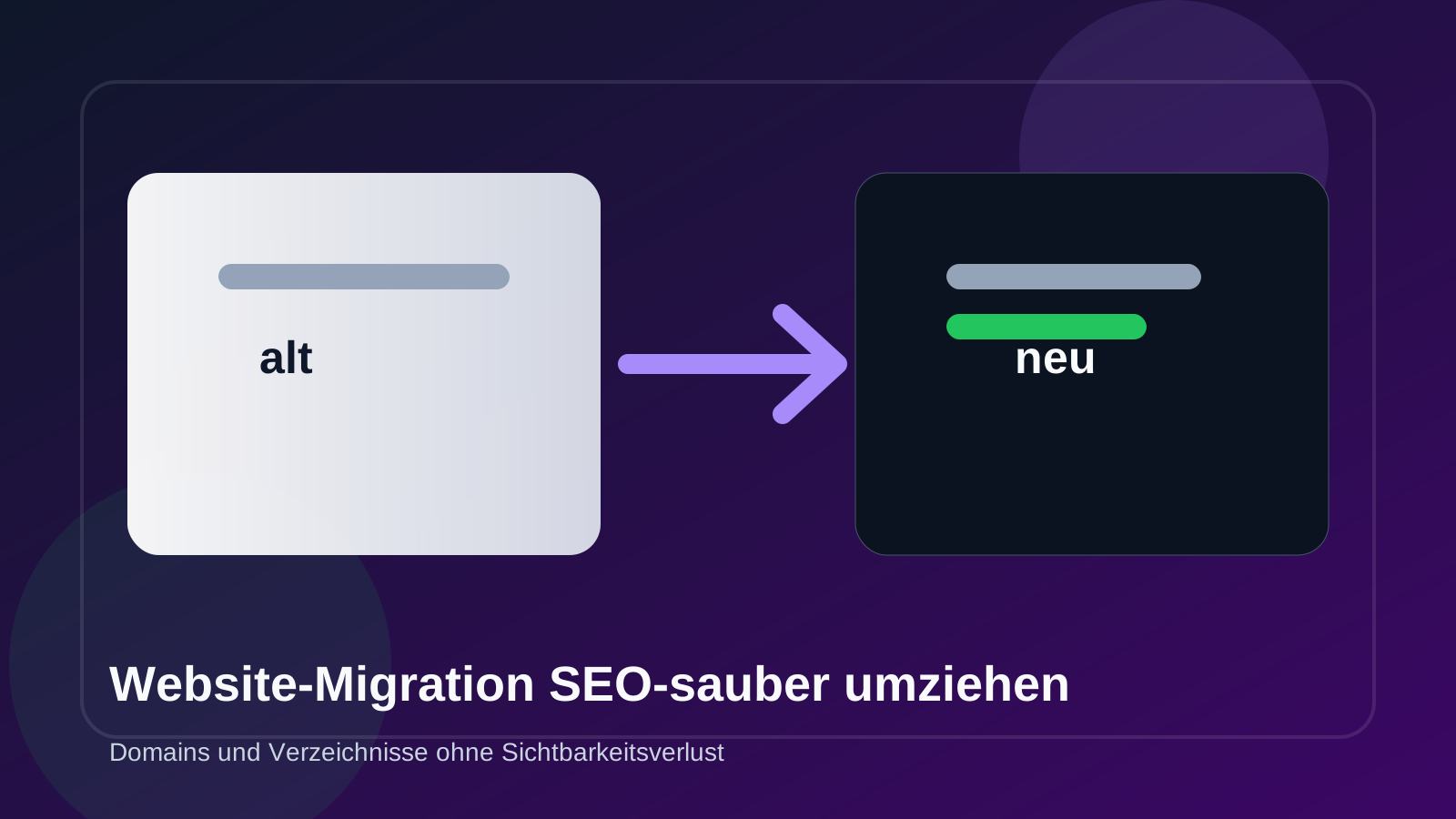
This allows a website migration to new domains or directories without unnecessary SEO losses.
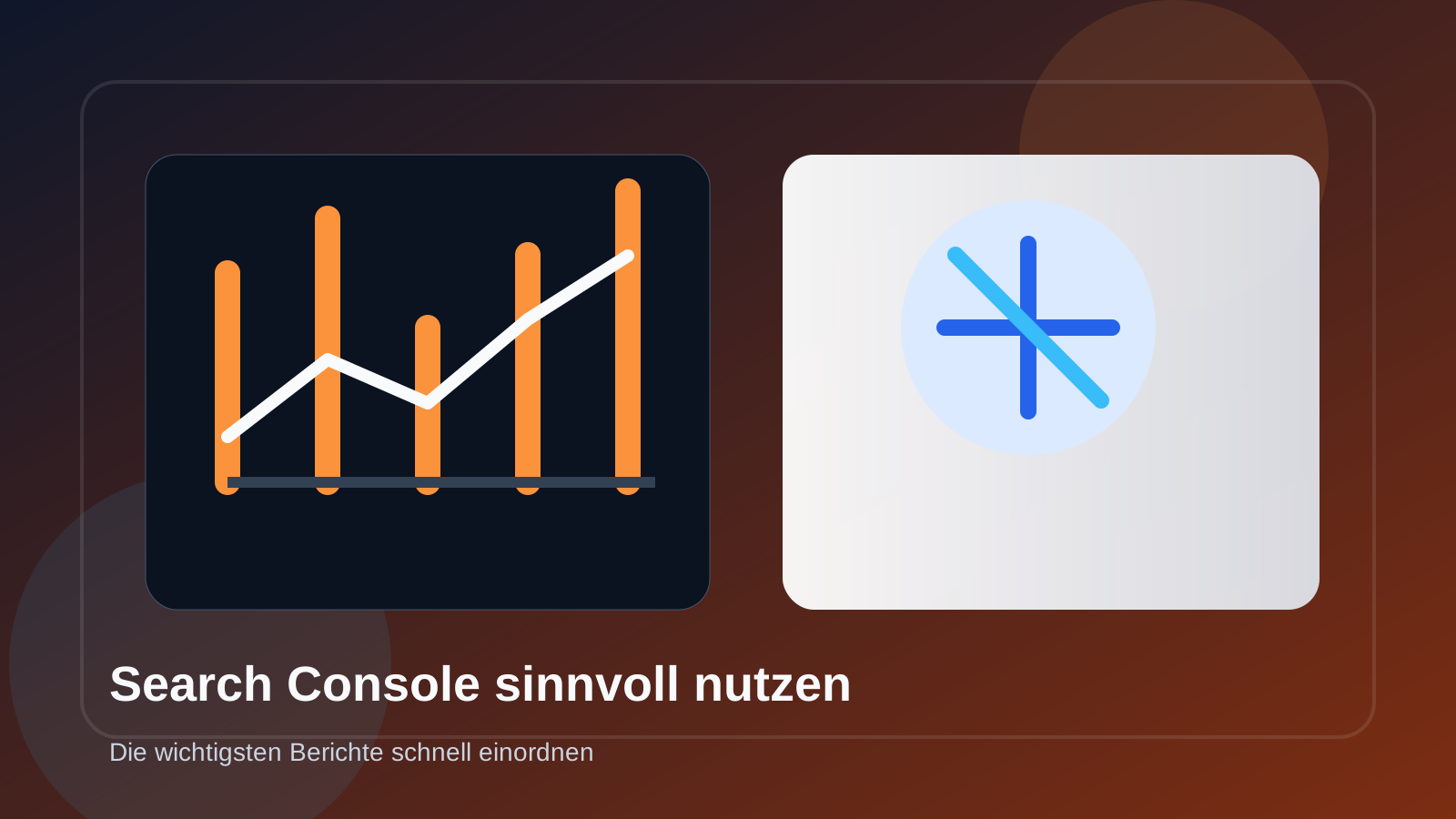
The most important Search Console reports explained clearly: How to find real SEO leverage instead of just more data.

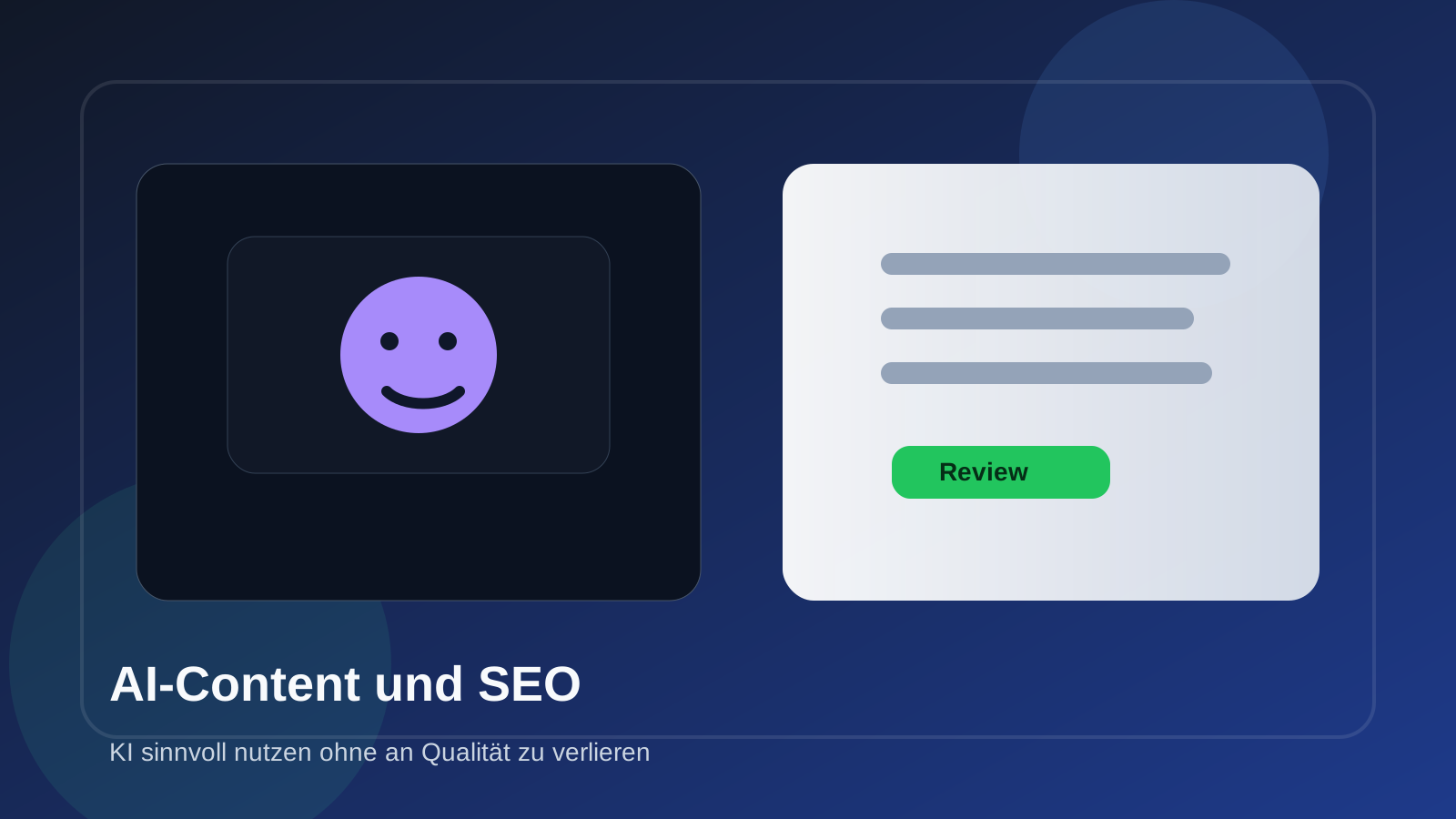
How AI content can be used meaningfully for SEO without losing utility, credibility and quality.
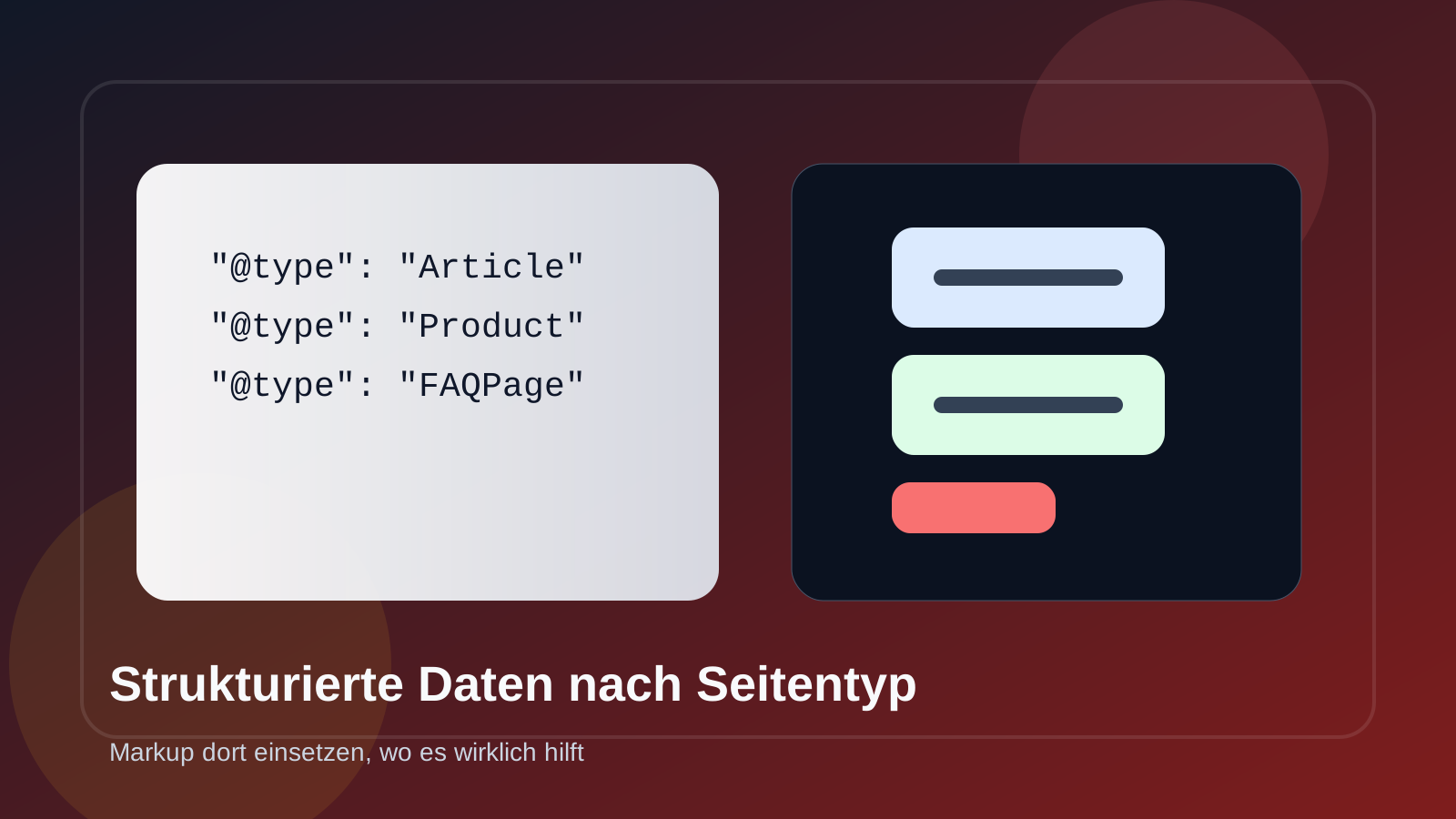
Which structured data is really worthwhile depending on the type of page – and where markup hardly adds any value.
correctly classify robots.txt, protect sensitive areas and limit aggressive crawlers with rate limits.
Categorize requests correctly today: rendering, JavaScript, caching and core web vitals.

Speaking URLs help to understand goals and manage addresses in a comprehensible way. The benefit lies in a stable, understandable structure; a subsequent keyword renaming is not automatically a meaningful SEO measure.
Draw, review and community highlights.
Better Google placement cannot be guaranteed by a single trick. This guide shows a comprehensible workflow: clarifying search tasks, checking technical obstacles and assessing changes based on suitable data.
Image SEO: File names, alt texts, context – and what counts today.
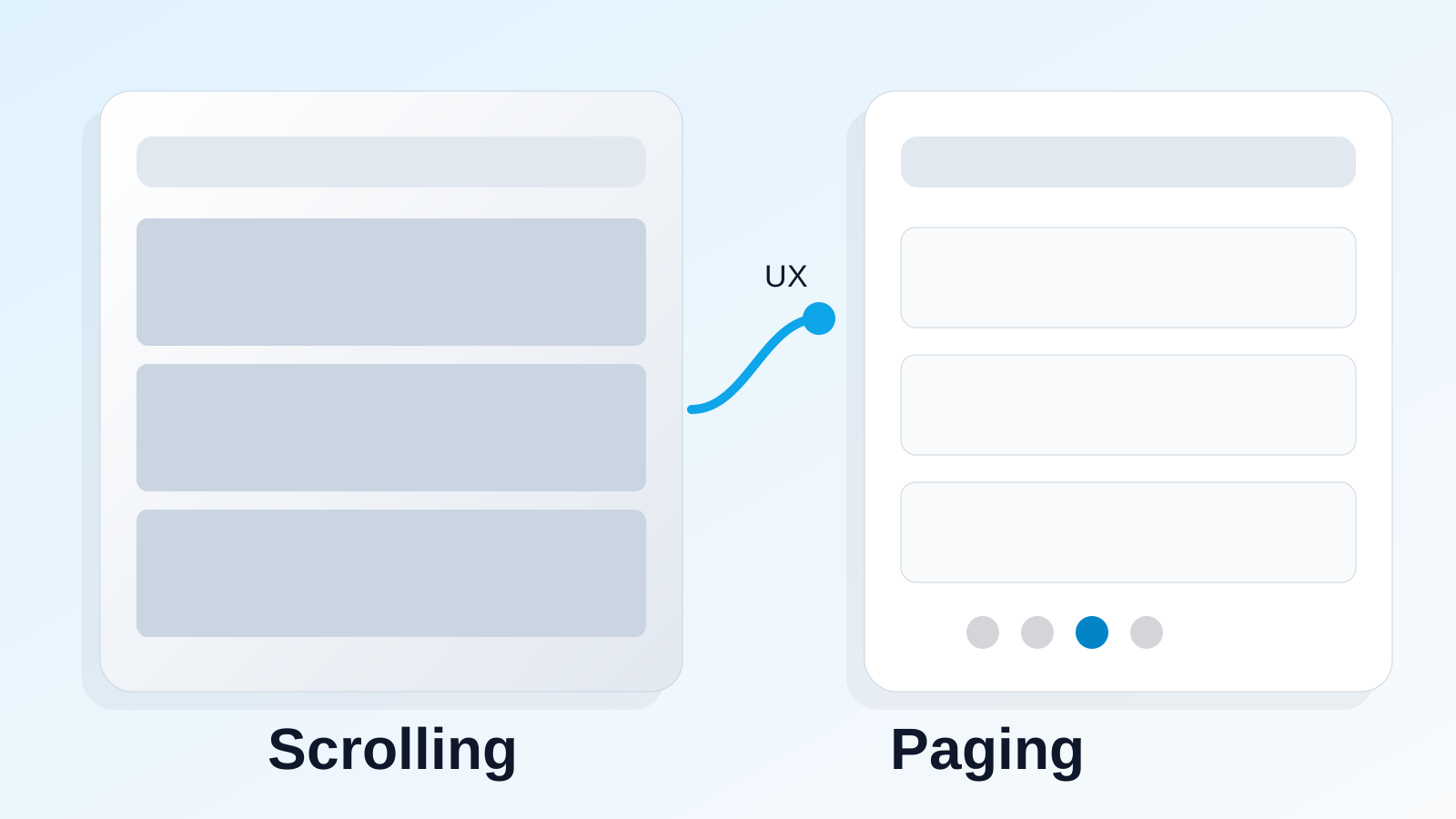
UX Myths vs. Data: When Scrolling Makes Sense – and When Changing Sides Wins
Classics: free sources – incl. Classification and risks.
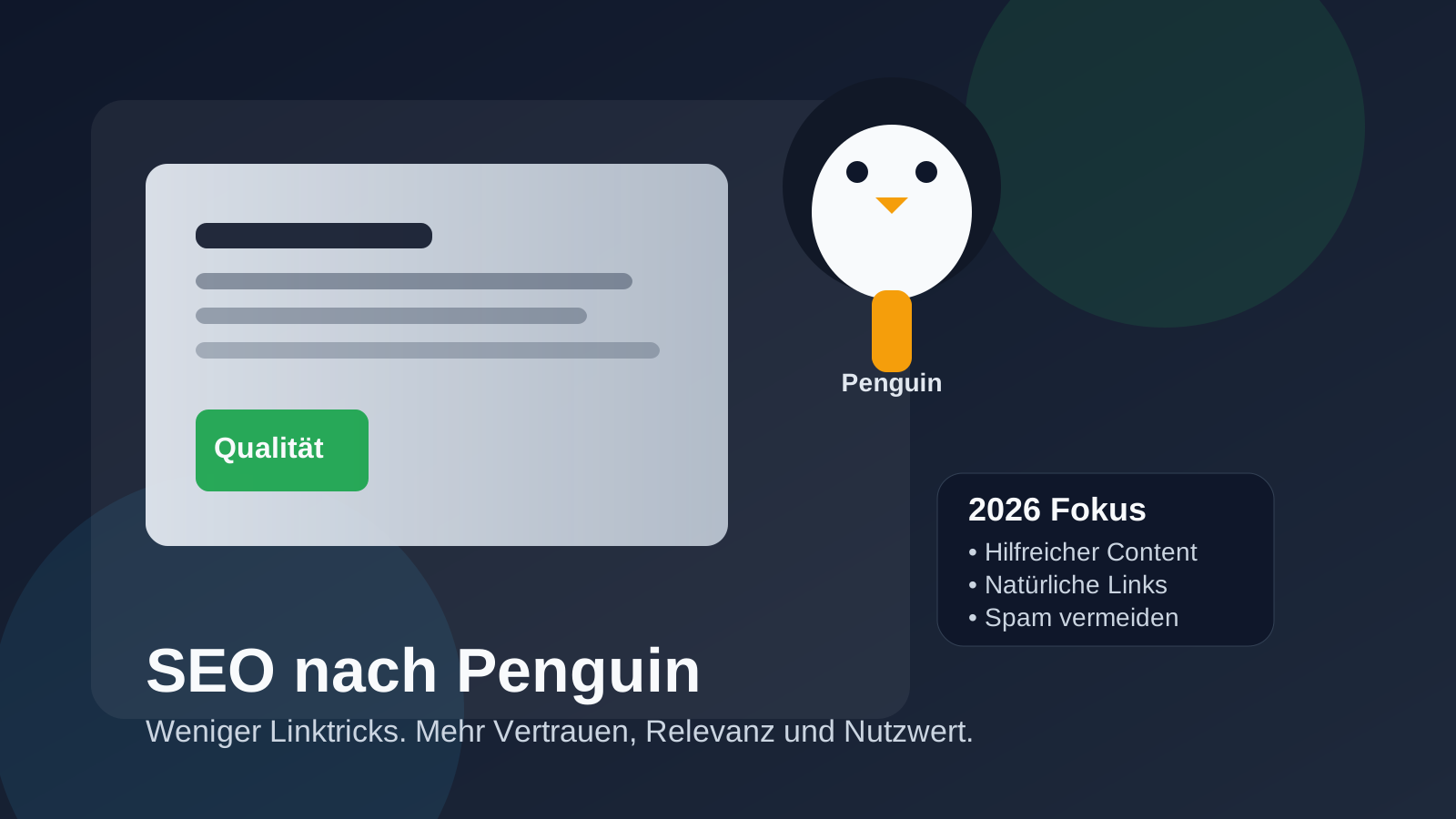
What has changed with Penguin – and which measures remain stable.
Seitenreport at the t3n Web Awards – Review and Status.
Advantages/disadvantages & concrete tips for better discount promotions.
Harmonious layouts through proportions – with practical implementation.